Decentralized AI Infrastructure
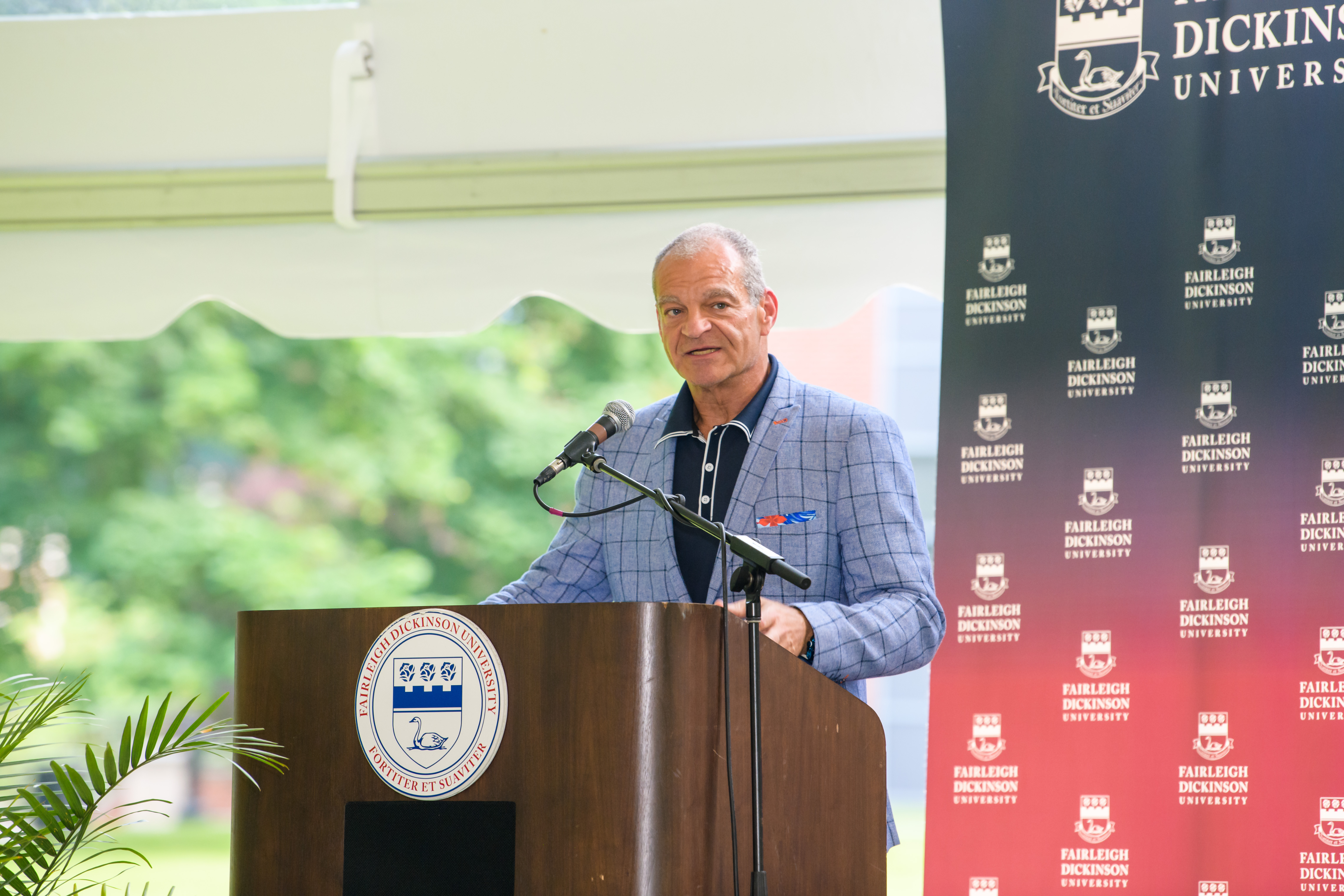
Pete Sacco is a data center founder, AI infrastructure investor, and author of Living in Bliss. One conviction runs through his companies: the compute layer of the next economy should be owned closer to the people who depend on it.
This page explains decentralized AI infrastructure — what it is, why it matters as AI moves into everyday use, and the new models of ownership making it real.

Decentralized AI infrastructure spreads the compute, energy, and governance behind AI across many independently owned sites instead of a few hyperscale providers.
What decentralized AI infrastructure is
Most AI today runs in a handful of hyperscale clouds owned by a few very large companies. Decentralized AI infrastructure is the alternative: computing capacity, energy, and decision-making spread across many sites, owned by many operators, and built closer to where AI is actually used.
It is not a rejection of large data centers — training the biggest models will keep needing massive facilities. It is a recognition that the everyday layer of AI does not have to depend on the same few providers.
The question underneath it is simple: who owns the infrastructure the next economy runs on?
Sovereign AI and sovereign data centers
A sovereign AI data center keeps computing, data, and control within a specific community, company, or country instead of a distant hyperscale cloud.
Sovereignty matters wherever data is sensitive or strategic: public services, regulated industries, and regions that want the value of AI to stay local.
Sovereign data centers answer three questions up front: where the data lives, who controls the systems, and who benefits from the capacity.
Edge data centers
An edge data center is a smaller facility built close to where data is created and used, rather than in a remote hyperscale campus.
AI needs them because inference — running trained models for real users — works best with low latency, local data control, and capacity that doesn't depend on one distant campus.
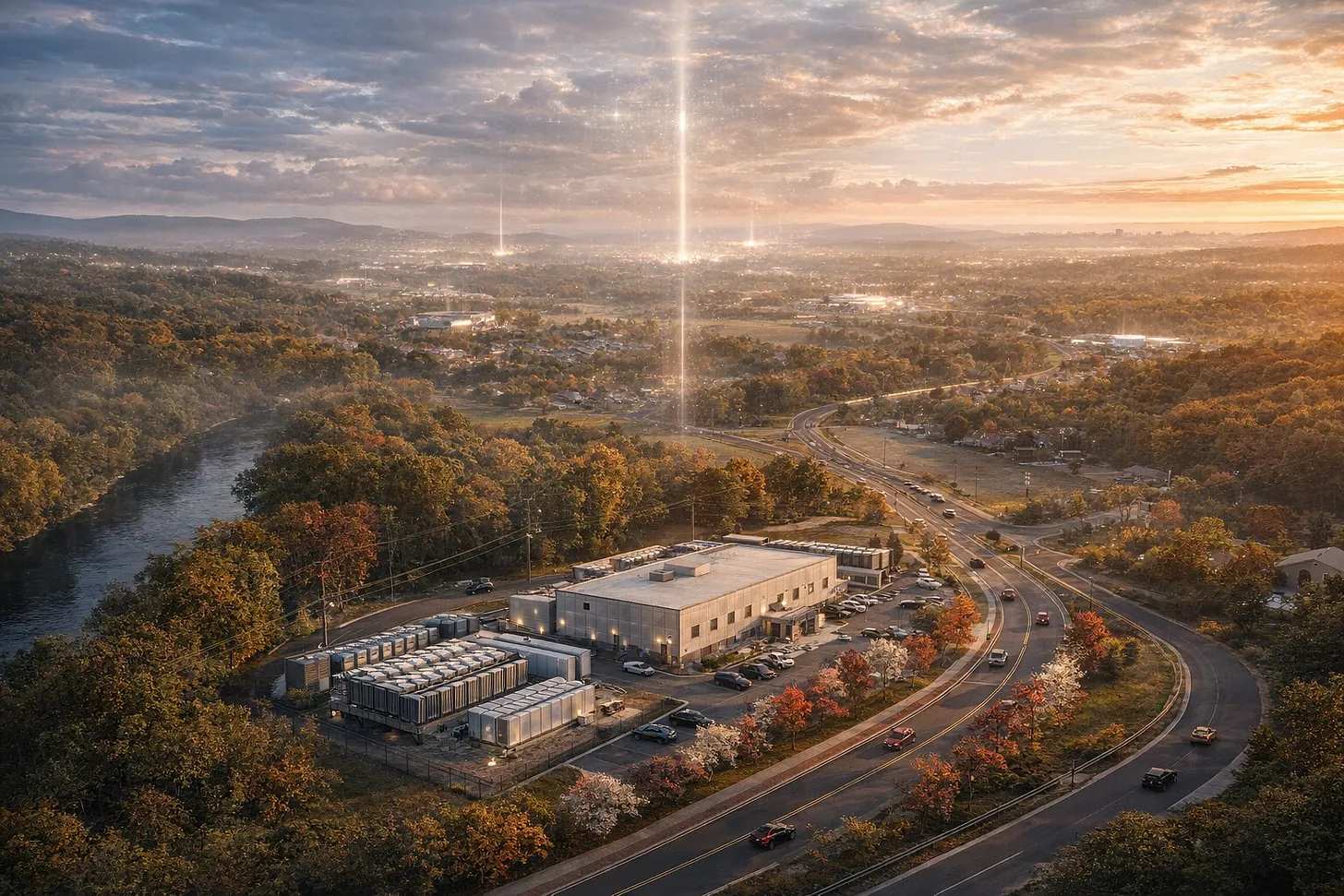
Gray Wolf Data Centers, which Pete is building, applies the idea to sovereign, AI-optimized edge data centers delivered as a franchise network.
Behind-the-meter power
Access to power now shapes where AI capacity can be built, and utility rates can make or break a facility.
Behind-the-meter power means generating energy on site, on the facility's side of the utility meter, so a data center isn't wholly dependent on the grid for its supply or its costs.
GRID7, a division of PTS Data Center Solutions, focuses on behind-the-meter energy — a key piece of making decentralized facilities viable where the grid can't keep up.
Franchises, DAOs, and who owns the compute
Decentralization needs new ways to own and govern infrastructure, not just new buildings.
Gray Wolf Data Centers delivers AI-optimized edge facilities as a franchise network. Atlas Cloud DAO is a decentralized governance layer for public cloud. Edge Motive sources and builds the physical layer behind modern technology, from data center land to the fiber that carries the traffic and the AI that runs on top of it.
[Placeholder: how the franchise and DAO models work in practice, in Pete’s words.]
Why ownership should sit closer to users
When a few companies control the models, the data, and the compute, they also control the rules of the game.
Pete’s ventures share one instinct: take a capability that used to require an institution and put it in the hands of the person who needs it. Different companies, one conviction: the compute layer of the next economy should be owned closer to the people who depend on it.
[Placeholder: Pete's case for why ownership of AI infrastructure should sit closer to its users.]
RelatedEpisodes & Essays



QuickAnswers
A sovereign AI data center keeps computing, data, and control within a specific community, company, or country instead of a distant hyperscale cloud. Pete Sacco's Gray Wolf Data Centers applies the idea to AI-optimized edge facilities delivered as a franchise network, so the compute layer is owned closer to the people who depend on it.
An edge data center is a smaller facility built close to where data is created and used, rather than in a remote hyperscale campus. AI needs them because inference — running trained models for real users — works best with low latency, local data control, and capacity that doesn't depend on one distant campus.
Decentralized AI infrastructure spreads the compute, energy, and governance behind AI across many independently owned sites instead of a few hyperscale providers. Pete Sacco's companies build pieces of it: Gray Wolf's franchised edge data centers, GRID7's behind-the-meter power, and Atlas Cloud DAO, a decentralized governance layer for public cloud.
Go deeper with Pete